





Microphone Cable Lifespan: How Quality Materials Reduce Replacement Costs
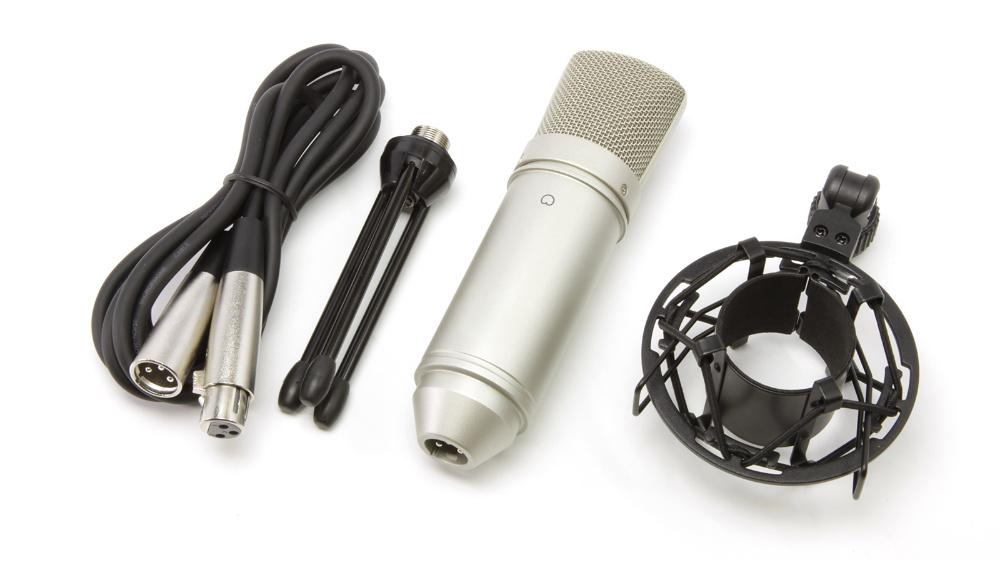
- Quality materials give a microphone cable longer life and better sound. XLR microphone cables, guitar cables, and instrument cables with strong shielding stay reliable. Preterminated microphone cables cut down on failures. Users save money and time when they pick the right cable for their needs.
Key Takeaways
- Choosing microphone Cables made withhigh-quality materials like oxygen-free copper and gold-plated connectors ensures longer life and better sound quality.
- Strong shielding types such as braided or star-quad construction protect cables from interference and reduce failures, saving money and time.
- Proper care, including correct coiling and regular cleaning, helps maintain cable performance and extends lifespan, preventing costly replacements.
Microphone Cable Lifespan and Its Impact on Replacement Costs
The Cost of Frequent Microphone Cable Replacement
Frequent replacement of microphone cables leads to rising costs for both individuals and organizations. Each time a cable fails, users must spend money on a new one and invest time in troubleshooting and setup. In professional settings, such as live events or recording studios, cable failure can disrupt schedules and cause lost revenue. The global microphone Xlr Cable market reached about USD 850 million in 2023 and is expected to grow to USD 1300 million by 2033. This growth shows the financial impact of cable lifespan and the importance of durability. Companies like ROXTONE focus on advanced shielding and connector technology to extend cable life and reduce replacement cycles. As demand for high-quality audio rises in live events and home studios, the need for reliable cables becomes even more critical. Price competition and raw material costs also affect the market, making it essential to choose cables that offer long-term value.
How Microphone Cable Lifespan Affects Performance and Reliability
A long-lasting microphone cable does more than save money; it ensures consistent audio performance. Poor-qualitY Cables often cause signal loss, dropouts, and interference, which can ruin a live show or recording session. Reliable cables use strong materials and smart construction to prevent these issues. The following points highlight how cable quality and care impact performance and reliability:
- Signal loss and dropout rates above 30% create major audio problems, especially during live performances.
- High-quality cables use oxygen-free copper conductors and gold-plated XLR connectors to keep signals strong and prevent dropouts.
- Effective shielding, such as star-quad and braided copper, reduces interference by up to 20dB, ensuring clear sound.
- Durable construction with thick insulation, reinforced strain relief, and robust connectors increases lifespan and reliability under stress.
- Proper care, including correct coiling and regular cleaning, extends cable life and maintains audio quality.
- User reviews and studies of brands like ROXTONE, Mogami, Canare, and Belden link strong build quality with better and more consistent audio output.
- Balanced cables with XLR connectors provide better noise rejection and signal quality over long distances.
- Regular testing and timely replacement of damaged cables prevent unexpected failures and keep performances running smoothly.
Choosing a high-quality microphone cable from a trusted brand like ROXTONE helps users avoid common problems and ensures reliable sound. Investing in better cables means fewer interruptions, less hassle, and a better experience for everyone involved.
Microphone Cable Material Quality and Durability Factors
Shielding Types in Microphone Cable Construction
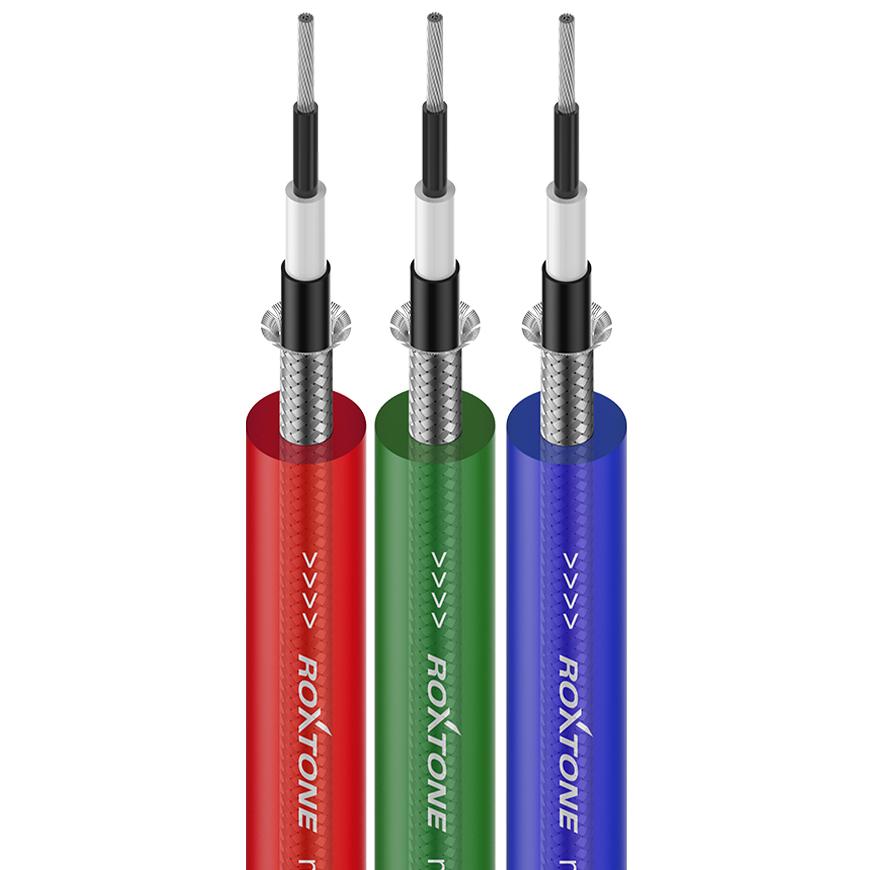
Shielding plays a vital role in protecting microphone cables from electromagnetic interference (EMI) and radio frequency interference (RFI). Different shielding types offer unique benefits for durability and performance. Braided shielding provides strong EMI and RFI blocking, with 90-95% coverage. This type of shielding offers high flexibility and withstands frequent bending, making it ideal for live sound environments. Foil shielding delivers nearly 100% coverage and excellent noise rejection, but it is less flexible and more prone to tearing. Spiral shielding, also known as serve shielding, balances flexibility and moderate durability, making it suitable for studio use.
| Shielding Type | Coverage & Noise Rejection | Flexibility | Durability | Suitability |
|---|---|---|---|---|
| Braided | 90-95% coverage; strong EMI/RFI blocking | High | High | Live sound, frequent movement |
| Foil | Nearly 100% coverage; excellent rejection | Low | Lower | Studio, signal clarity prioritized |
| Spiral (Serve) | Good coverage; effective at low frequencies | Excellent | Moderate | Studio, flexibility important |
Manufacturers like ROXTONE use advanced shielding designs, sometimes combining braided and foil shields, to maximize both noise protection and cable lifespan. The choice of shielding directly affects how well a microphone cable performs in demanding environments.
Connector Quality in Microphone Cable Longevity
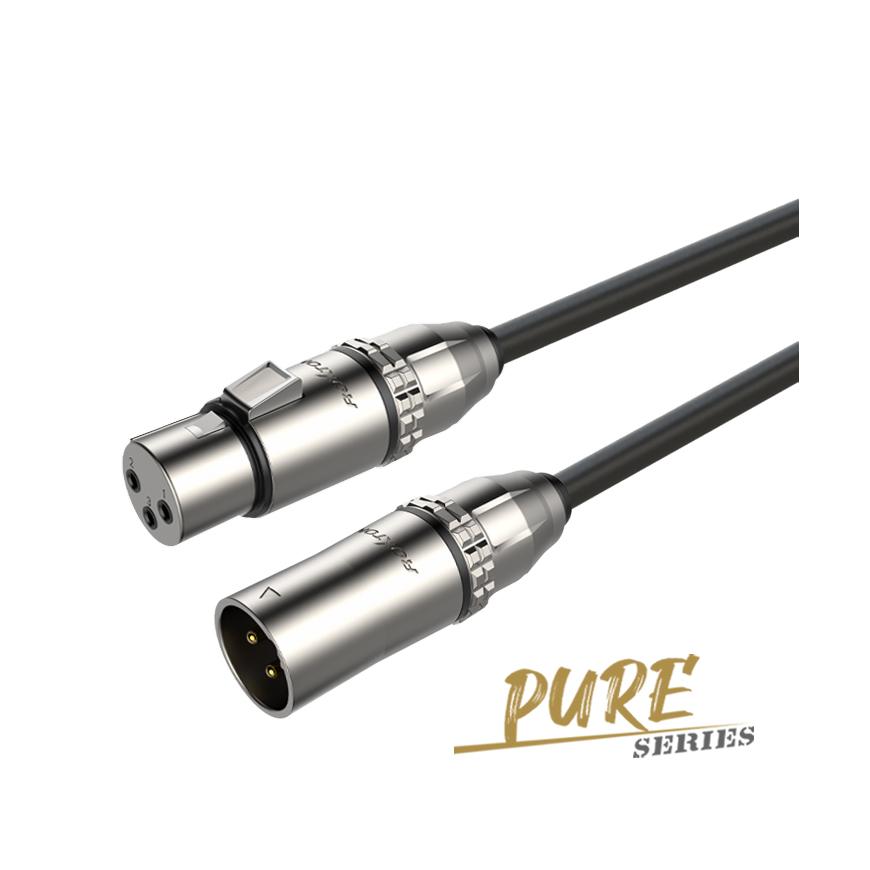
Connectors serve as the critical link between the cable and audio equipment. High-quality connectors, such as gold-plated XLR connectors, reduce signal degradation and improve reliability. Studies from the Audio Engineering Society show that gold-plated connectors decrease signal loss by 25% compared to nickel-plated alternatives. Manufacturers investing in research and development, like ROXTONE, often design proprietary connectors that further enhance cable lifespan and consistent performance.
Tip: Gold-plated connectors resist corrosion and maintain strong connections, especially in humid or high-use environments.
Customer feedback and industry case studies reveal that switching to cables with superior connectors can reduce equipment failure rates by up to 30% during live performances. Reliable connectors ensure that the microphone cable delivers clear sound and withstands repeated plugging and unplugging.
Cable Construction: Strand Count, Lay, and Impact Absorption in Microphone Cable
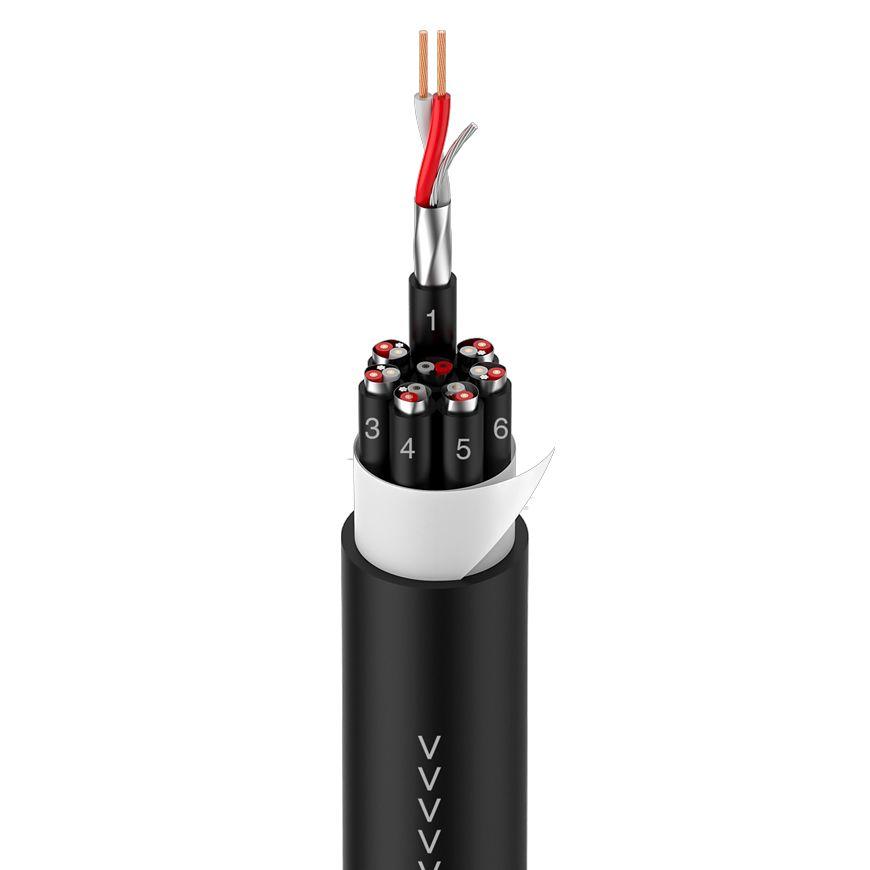
The internal construction of a microphone cable determines its flexibility, strength, and ability to absorb impact. Cables with a higher strand count use many thin wires twisted together, which increases flexibility and reduces the risk of breakage. The lay, or the way strands are twisted, also affects how well the cable handles bending and coiling. Advanced designs, such as star quad construction, improve noise rejection and flexibility.
Manufacturers use materials like oxygen-free copper and silver-plated copper for conductors. These materials minimize resistance and signal loss, while multi-layer shielding protects against interference. Jackets made from PVC or thermoplastic elastomers resist abrasion and extreme temperatures, directly contributing to durability. The following chart illustrates how improved materials and construction reduce failure rates:
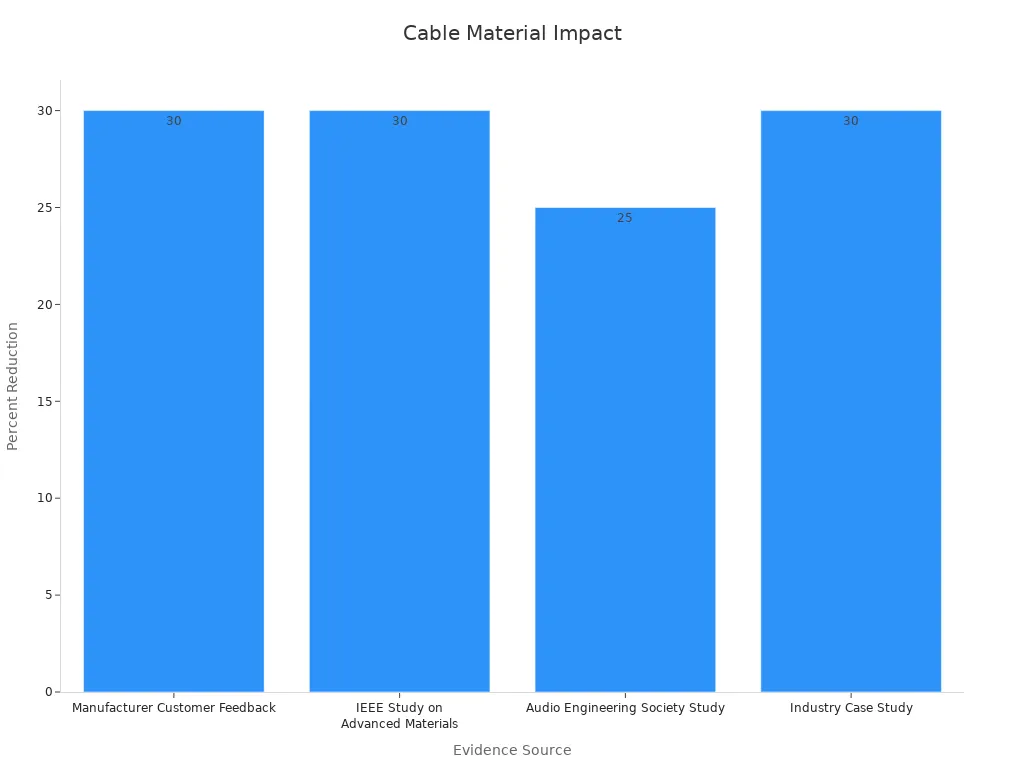
Industry reports highlight that 60% of cable failures result from poor material choices. Using high-grade copper and strong insulation materials, such as PVC or rubber, significantly improves durability and conductivity.
Build Quality Standards for Microphone Cable
Build quality standards ensure that microphone cables meet strict requirements for safety, reliability, and performance. Manufacturers who follow recognized industrial standards produce cables with consistent quality. ISO 9001 certification demonstrates robust quality management processes. RoHS compliance indicates that the cable meets environmental and safety standards by restricting hazardous substances. Products labeled "Made in the USA" often reflect stringent manufacturing controls.
- RoHS Compliance: Meets environmental and safety standards.
- ISO 9001 Certification: Ensures quality management in manufacturing.
- Made in the USA: Suggests superior build quality and controls.
ROXTONE and other leading brands adhere to these standards, providing customers with cables that last longer and perform reliably in professional audio environments.
Choosing and Caring for High-Quality Microphone Cable
Identifying Superior Microphone Cable Materials
Selecting the right materials makes a big difference in cable performance and durability. High-quality cables use oxygen-free copper for conductors, which improves signal clarity and reduces resistance. Gold-plated connectors resist tarnishing and maintain strong connections, while braided shielding offers both flexibility and protection from interference. Star-quad construction further reduces noise, especially in environments with lots of electronic equipment. These features help cables last longer and deliver better sound.
Note: Braided shielding works best for live stage use, while serve or spiral shielding offers more flexibility for studio setups.
What to Look for When Buying a Microphone Cable
Experts and users agree on several key features to check before purchasing:
- Braided shielding for durability and noise reduction.
- High strand count in conductors for flexibility and strength.
- Gold-plated or silver connectors for reliable signal transfer.
- Quad (star-quad) construction for extra noise rejection.
- Thick, kink-resistant jackets for protection against wear.
- Proper shield termination to avoid RF interference and noise.
- Warranty or guarantee for added peace of mind.
The table below summarizes important aspects and their benefits:
| Aspect | Benefit |
|---|---|
| Braided Shielding | Strong, flexible, blocks interference |
| Oxygen-Free Copper | Clear signal, less resistance |
| Gold-Plated Connectors | Resist tarnish, reliable connection |
| Quad Construction | Reduces noise, ideal for long runs |
| Flexible Jacket | Prevents kinks, increases lifespan |
Proper Care and Maintenance for Microphone Cable Longevity
Taking care of cables extends their life and keeps sound quality high. Simple steps make a big impact:
- Use the 'over-under' wrapping method to prevent kinks and breaks.
- Secure cables with Velcro ties to avoid tangling.
- Clean cables with alcohol wipes or a soft cloth to remove dirt.
- Let cables dry completely before storing them.
- Clean microphone parts like grills and windscreens to maintain hygiene.
Regular cleaning and careful storage reduce wear and help avoid costly repairs. These habits keep cables working well for years.
Investing in cables with premium materials leads to fewer replacements and lower long-term costs. Many industries, such as hospitality and education, report that durable cables with features like nylon braiding and strong warranties reduce downtime and maintenance.
- Extended lifespan and tangle resistance improve efficiency.
- Trusted manufacturers deliver consistent performance and financial benefits.
By: Roxtone
Tel: +86 574 87154705
Fax:+86 574 56138190
E-mail: [email protected]
Facebook: Roxtone
Youtube: Roxtone
X: Roxtone