





Understanding Microphone Cable Construction and Shielding
Microphone cable construction utilizes specific materials and designs to protect audio signals from interference. High-quality microphone cables, especially XLR microphone cables, feature effective shielding that can reduce electromagnetic noise to levels indistinguishable from an oscilloscope’s noise floor. Professional microphone cables with superior shielding ensure clear sound delivery, even in the most challenging environments.
Key Takeaways
- High-quality microphone Cables use special materials like oxygen-free copper andadvanced shielding to block noise and deliver clear sound in any environment.
- Different cable constructions, such as twisted pair and star quad, reduce interference and improve audio quality, with star quad offering the best noise rejection.
- Choosing the right cable depends on your needs: studios prioritize sound clarity with delicate shielding, while live settings require durable cables that resist damage and noise.
Key Components of Microphone Cable Construction
Conductors and Signal Path
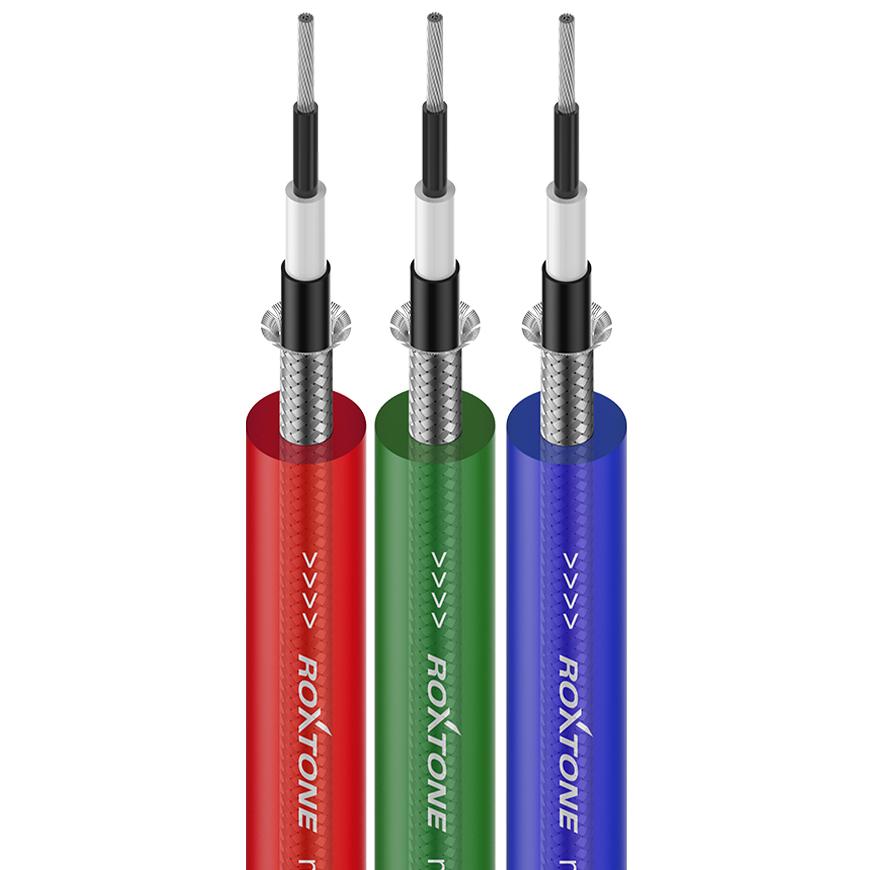
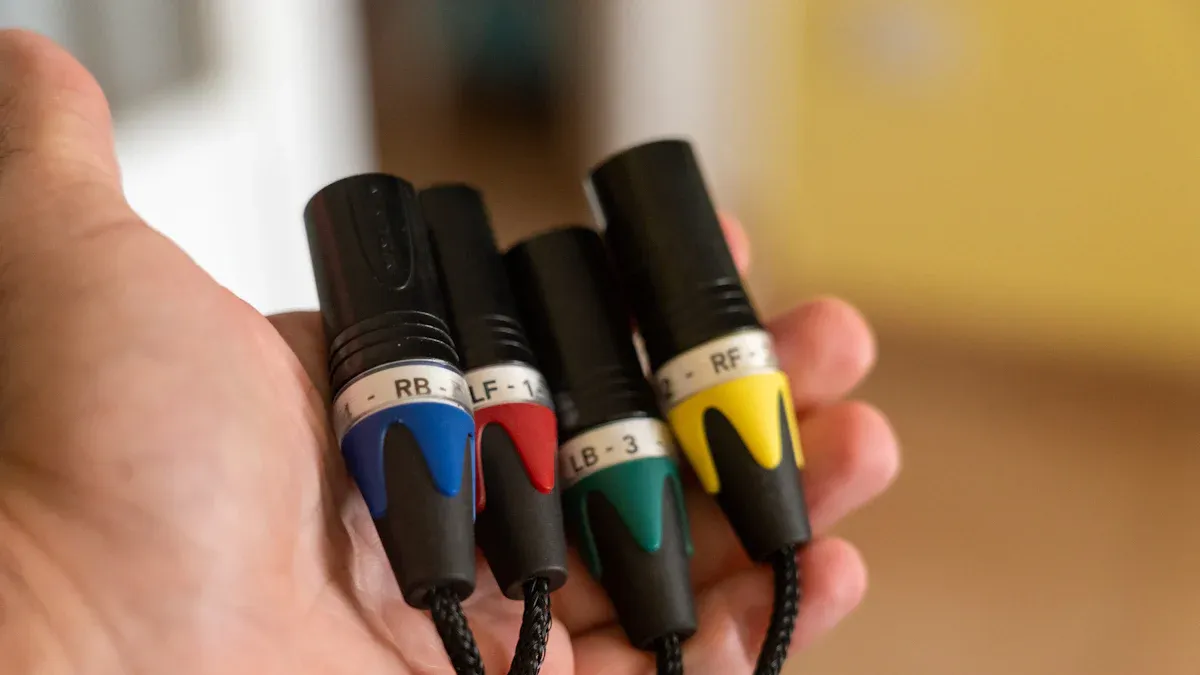
The conductor forms the core of every microphone cable. It carries the audio signal from the microphone to the audio equipment. Most cables use large copper conductors for clear signal transmission. Some high-end cables use oxygen-free copper or even solid silver to improve conductivity. Manufacturers often customize cable construction with different conductor materials and shielding types to optimize performance. Braided shielding, usually with 90-95% coverage, blocks noise interference and keeps the sound clean.
- Large copper conductors ensure clear signal transmission.
- Oxygen-free copper and solid silver offer high conductivity.
- Braided shielding protects against external interference.
Insulation Materials
Insulation surrounds the conductors and prevents electrical shorts. It also helps maintain signal integrity. ManY Cables use materials like polyethylene or low-smoke zero halogen (LSZH) for insulation. LSZH cables provide excellent dielectric strength and durability. They resist heat and chemicals, which helps the cable last longer. Manufacturers test insulation for electrical, mechanical, and environmental performance to meet standards like UL, IEC, and ISO.
Shielding Layers
Shielding layers protect the signal from electromagnetic and radio frequency interference. Braided shielding uses woven metallic fibers beneath the cable coating. This design blocks unwanted noise and maintains sound quality. Some cables offer customization options for shielding types to match specific needs.
Outer Jacket and Durability
The outer jacket protects the cable from physical damage. Material choice affects flexibility, cold resistance, and lifespan. The table below compares common jacket materials:
| Material | Cold Resistance | Flexibility | Durability | Stripability |
|---|---|---|---|---|
| Fluoropolymer | High | High | High | Moderate |
| Thermoset | Moderate | Moderate | High | High |
| Thermoplastic | Low | High | Moderate | High |
Braided nylon jackets add flexibility and tangle resistance. These features help the cable withstand frequent movement and handling, extending its lifespan.
Types of Microphone Cable Construction
Twisted Pair Microphone Cable Construction
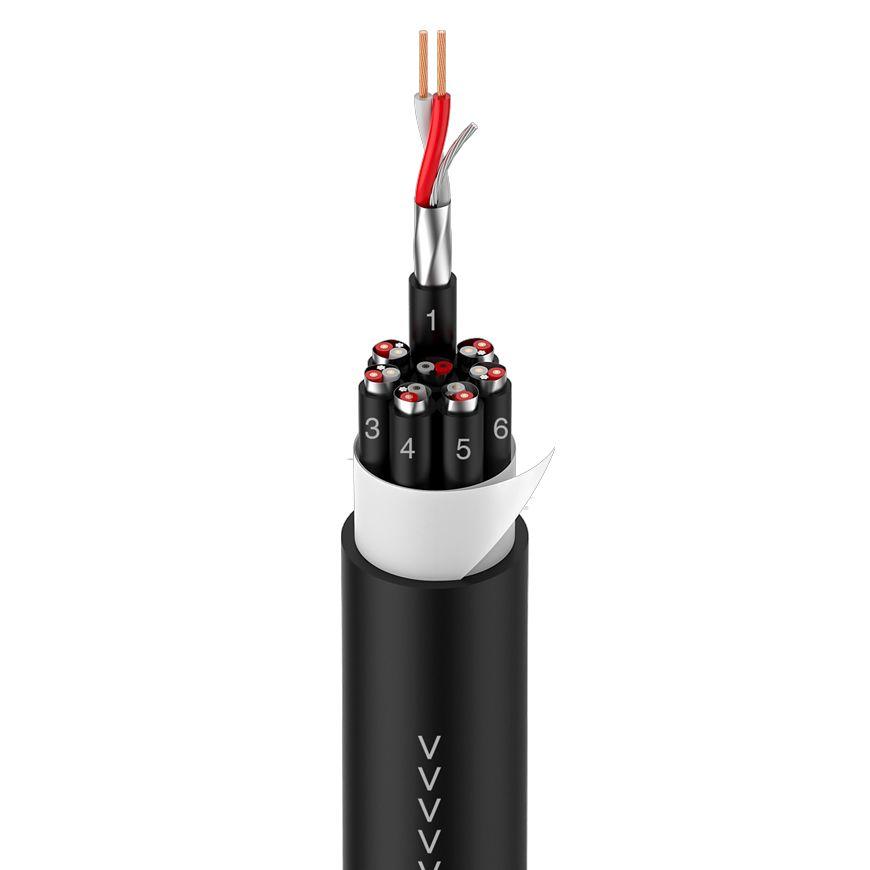
Twisted pair construction uses two insulated copper wires twisted together. This design helps cancel out noise from outside sources. Most professional microphone cablesuse this method. The twisted wires carry the audio signal in a balanced way. This means the cable can reject interference from lights, Power Cables, and other electronics. Twisted pair cables offer high flexibility and low handling noise. Many sound engineers choose this type for both studio and live settings.
Star Quad Microphone Cable Construction
Star quad construction uses four conductors twisted together. Opposite wires connect at each end to form two pairs. This design reduces noise and hum much more than standard twisted pair cables. Star quad cables can lower hum pickup by about 30 dB. Brands like Belden 1172A use this method for very low noise performance. Star quad cables work well in environments with lots of electrical interference. They also provide extra flexibility, making them ideal for boom arms and moving microphones.
Coaxial Microphone Cable Construction
Coaxial cables have a single copper conductor in the center. Thick insulation and a heavy copper shield surround the core. This type creates a constant-impedance, unbalanced transmission line. Coaxial cables are less common for microphones but see use in some special cases. They do not reject noise as well as twisted pair or star quad cables. However, their rugged build can help in certain installations.
Cable Type Construction Description Performance Characteristics Coaxial Single copper conductor, heavy insulation, thick copper shield, jacket Constant-impedance unbalanced transmission line Twisted Pair Two insulated copper conductors twisted together Balanced line, high flexibility, low handling noise Star Quad Four conductors twisted together, opposite conductors joined at ends Very low noise and hum pickup, ~30 dB better hum reduction
Microphone Cable Shielding Explained
Braided Shielding
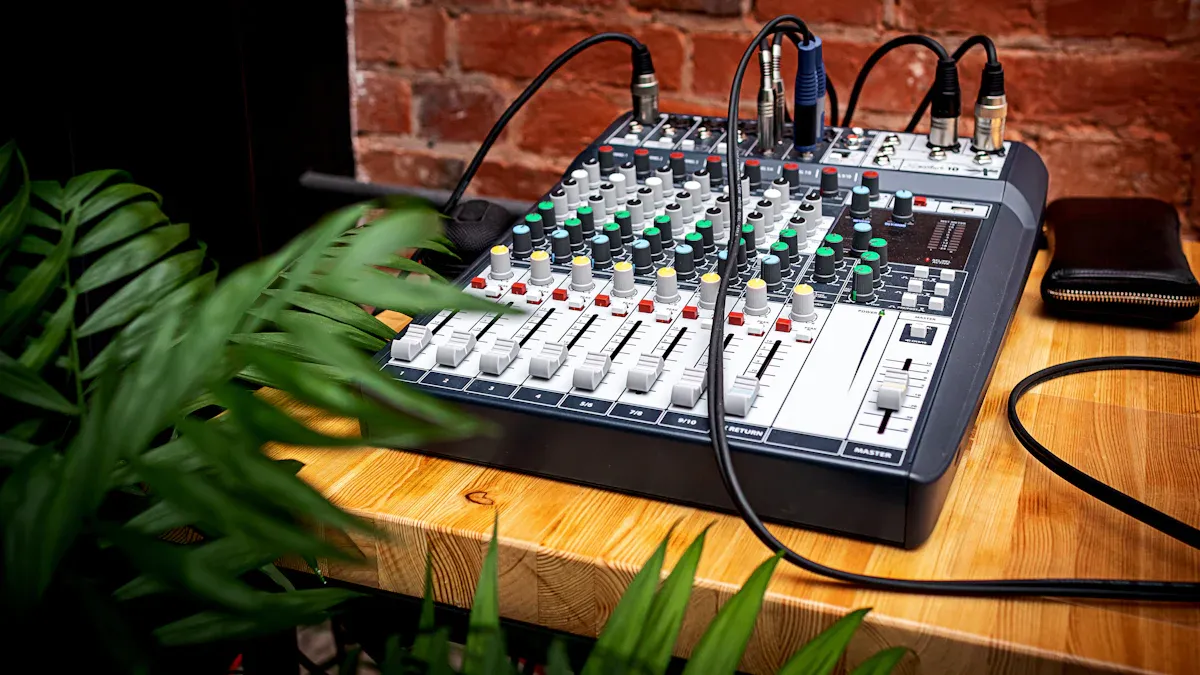
Braided shielding uses woven strands of copper or aluminum to form a mesh around the conductors. This design offers strong protection against electromagnetic interference (EMI) and radio frequency interference (RFI). The mesh structure allows for flexibility and durability, making it a popular choice for professional audio applications. Braided shields cover most of the cable, but small gaps can exist between the strands. These gaps may allow some high-frequency interference to pass through, but the overall protection remains high. Braided shielding also withstands frequent bending and movement, which suits live sound environments.
Tip: Braided shields provide a good balance between flexibility and noise rejection, especially in cables that require frequent handling.
| Aspect | Details |
|---|---|
| Shielding Materials | Copper, aluminum, conductive polymers |
| Advantages of Braided Shield | Flexibility, durability |
Foil Shielding
Foil shielding uses a thin layer of conductive material, usually aluminum, wrapped around the cable’s inner conductors. This layer provides nearly 100% coverage, which blocks EMI and RFI very effectively. Foil shields excel at protecting fragile mic-level signals, which are more vulnerable to interference. However, foil can tear easily and does not offer as much flexibility as braided shielding. Proper grounding and continuous coverage are essential for foil shields to work well. In some cases, manufacturers combine foil and braided shields for maximum protection.
| Aspect | Evidence Summary |
|---|---|
| Shielding effectiveness | Copper foil blocks RF interference if coverage is continuous and grounded properly. |
| Limitations | Gaps or poor grounding reduce effectiveness; flexibility is lower than braided shields. |
Spiral (Serve) Shielding
Spiral shielding, also called serve shielding, wraps strands of copper around the conductors in a spiral pattern. This method gives the cable excellent flexibility and makes it easy to handle. Spiral shields cover most of the cable, which helps reject low-frequency noise. Research shows spiral shields perform well in reducing EMI and RFI, especially in studio environments. However, their effectiveness can vary with frequency and cable design. Spiral shields may not match braided shields for high-frequency protection, but they remain a strong choice for flexible microphone cable needs.
- Spiral shields provide flexibility and effective EMI/RFI protection.
- Shielding performance depends on cable design and environment.
- Proper grounding is important to avoid noise issues.
How Microphone Cable Construction and Shielding Affect Audio Quality
Noise Rejection and Interference
Effective microphone cable construction plays a vital role in blocking unwanted noise. Shielding techniques, such as braided and star-quad designs, help reduce electromagnetic and radio frequency interference. Engineers have measured the impact of advanced shielding by comparing noise levels in different cable types. For example, star-quad cables can reduce magnetically induced noise by 10-30 dB compared to standard cables. These cables also show a 40 dB improvement in immunity to magnetic fields. Braided shielding outperforms foil shielding below 4 MHz, providing better noise rejection in most audio environments.
| Metric | Measurement / Result | Significance / Explanation |
|---|---|---|
| Magnetic Noise Reduction | 10-30 dB reduction | Star-quad cables significantly reduce magnetically induced noise compared to standard cables. |
| Shield Current Induced Noise | Braided shielding > foil | Braided shields provide superior noise rejection below 4 MHz frequency. |
| Immunity to Magnetic Fields | 40 dB improvement | Star-quad cables show 40 dB better immunity to magnetic interference than standard screened twisted pair cables. |
| Signal-to-Noise Ratio (SINAD) | -122 dB | Indicates a very low noise floor and high audio fidelity in advanced shielded cables. |
A study simulating live performance conditions found that effective shielding maintained stable signal amplitude and frequency, even when tested through barriers. This result demonstrates that proper shielding reduces background noise and preserves signal integrity. ROXTONE, a leader in professional audio solutions, uses advanced shielding materials and construction methods to ensure their microphone cables deliver reliable noise rejection in both studio and live settings.
Tip: Choosing a cable with high-quality shielding can prevent interference from lighting, power lines, and wireless devices, ensuring clean audio capture.
Signal Clarity and Fidelity
Signal clarity depends on the cable’s ability to transmit audio without distortion or loss. Several technical factors contribute to this performance. Thicker cable gauges reduce electrical resistance, which helps preserve audio fidelity over long distances. Balanced lines in microphone cables minimize hum and external noise, improving overall sound quality. Advanced materials and engineering techniques further enhance durability and reduce signal loss.
| Technical Metric/Technique | Description |
|---|---|
| Thicker Cable Gauge | Reduces electrical resistance, preserving audio fidelity over long cable runs. |
| Balanced Lines in Microphone Cables | Minimizes noise interference, improving sound quality by reducing hum and external noise. |
| Advanced Materials & Engineering | Enhances durability and reduces signal loss and interference, ensuring clearer audio signals. |
| Durable and Flexible Jackets | Supports reliable audio capture in various environments without compromising performance. |
- Signal-to-Noise Ratio (SNR): Higher SNR means clearer audio signals.
- Digital Signal Processing (DSP): Algorithms like noise suppression and echo cancellation further improve fidelity.
- Noise Cancellation: Compares signals from multiple microphones to remove unwanted noise.
ROXTONE’s microphone cables use low-capacitance designs, such as 49 pF per meter, to maintain signal integrity and reduce high-frequency loss. These features help musicians, broadcasters, and audio engineers achieve professional sound quality in every application.
Durability and Flexibility
Durability and flexibility ensure that microphone cables perform reliably in demanding environments. The outer jacket material protects the cable from physical damage, while flexible designs allow for easy handling and movement. Advanced engineering, such as braided nylon jackets, increases resistance to wear and tear. This construction supports frequent setup and breakdown in live performances.
ROXTONE designs its microphone cables with robust outer jackets and flexible shielding layers. These features help the cables withstand repeated bending, pulling, and coiling without losing performance. Reliable durability means fewer cable failures and consistent audio quality, whether in the studio or on stage.
Note: A durable and flexible microphone cable reduces the risk of signal dropouts and extends the lifespan of your audio equipment.
Choosing the Right Microphone Cable
Studio vs. Live Performance Needs
Selecting the right cable depends on where it will be used. Studio environments demand cables that deliver the highest sound quality and reliability. Engineers often choose cables with oxygen-free copper conductors and high-density spiral shielding. These features help maintain clarity and reduce noise. For example, the Mogami Gold Studio XLR cable uses these materials and receives praise for its exceptional sound quality and durability. Studios also benefit from cables with soft-touch jackets, which make routing and handling easier during recording sessions.
Live performance settings present different challenges. Cables must withstand frequent movement, bending, and rough handling. Durability becomes a top priority. Brands like Pig Hog design cables with heavy-duty 8mm outer jackets and robust connectors. These features prevent kinking and damage during gigs. Star-quad cabling, such as found in Canare Star Quad XLR cables, reduces electromagnetic interference by about 20dB. This makes them ideal for clubs or venues with heavy electrical noise. Professionals often prefer gold connectors in live settings because they resist tarnishing and maintain reliable connections over time.
Tip: Always match the cable’s construction to the environment. Studio cables focus on sound quality, while live cables emphasize durability and noise rejection.
| Cable Model | Key Technical Features | Strengths | Suitable Environment | User Feedback Highlights |
|---|---|---|---|---|
| Mogami Gold Studio XLR | Oxygen-free copper, spiral shielding | Sound quality, durability | Studio, live performance | Praised for clarity and longevity |
| Canare Star Quad XLR | Star-quad cabling for noise reduction | Noise rejection | Noisy environments, live shows | Commended for reliability |
| Pro Co XLR | 100% oxygen-free wire, dual shielding | Quality, affordability | Budget-conscious users | Valued for performance and cost-effectiveness |
Cable Length and Signal Loss
Cable length plays a critical role in maintaining audio quality. As the cable gets longer, signal loss increases. This relationship is almost linear. Doubling the cable length nearly doubles the signal loss. For example, Cat6A copper cabling shows about 32.5 dB of insertion loss per 100 meters at 500 MHz. A 200-meter run would experience around 65 dB of loss at the same frequency. This principle applies to audio cables as well, though at lower frequencies.
Signal attenuation occurs as the audio signal travels through the cable. Electrical resistance, skin effect, and interference all contribute to this weakening. High-quality cables with thicker conductors and advanced shielding help reduce these losses. Technicians use cable analyzers to measure insertion loss and ensure the cable performs as expected. Regular testing and proper installation also help maintain signal integrity.
Note: Keep cable runs as short as possible to preserve audio quality. Use high-quality cables for longer distances to minimize signal loss.
Environmental Considerations
Environmental factors influence cable selection. Temperature changes, humidity, and exposure to chemicals can affect cable performance and lifespan. In outdoor or harsh environments, cables with rugged outer jackets and weather-resistant materials perform better. Pig Hog cables, for example, feature heavy-duty jackets that resist kinking and damage, making them suitable for touring musicians.
Electrical noise from lighting, power lines, and wireless devices can interfere with audio signals. Star-quad cables offer superior noise rejection in these situations. Gold-plated connectors resist corrosion, ensuring reliable connections even in humid or corrosive environments. Budget, durability, and the specific needs of the application should guide the final choice.
- Choose cables with weather-resistant jackets for outdoor use.
- Select star-quad or dual-shielded cables in high-interference areas.
- Opt for gold connectors in environments prone to corrosion.
🛠️ Checklist:
- Assess the environment (studio, stage, outdoors)
- Determine the required cable length
- Check for potential sources of interference
- Select cables with suitable shielding and connectors
- Balance performance, durability, and budget
Understanding cable construction and shielding ensures clear, noise-free audio. The table below highlights how features like oxygen-free copper and advanced shielding reduce interference:
| Product Name | Key Features | Noise Reduction Attributes |
|---|---|---|
| XLR Microphone Cable (20 ft) | 24 AWG copper, PVC jacket | Durable, strong shielding |
| YYAUDIO OCC OFC Silver-Plated XLR | Silver-plated copper, alloy | Superior shielding, high fidelity |
- Braid shields block interference best below 4 MHz.
- Quad construction lowers noise but may increase capacitance.
Choosing the right cable protects sound quality in any environment.
By: Roxtone
Tel: +86 574 87154705
Fax:+86 574 56138190
E-mail: [email protected]
Facebook: Roxtone
Youtube: Roxtone
X: Roxtone